
Pyramid Solitaire Midgame
Many Pyramid midgames are already lost while the hand still looks active. The waste buries the key pair, the lower rows stay closed, and the late stock passes get burned before the hand is ready. The real edge is not clearing more pairs. It is keeping the route alive.
Four things not to lose in the midgame
Draw for a reason
Draw again only when the waste top is truly dead or the next cards can still buy a real route. In the midgame, each pass costs more.
Keep opening the lower rows
A pair that only clears the surface is dangerous in the midgame. The deal stays alive because the buried rows keep opening.
Do not spend the waste on shallow pairs
The waste top is valuable when it finishes a key pair, saves a pass, or opens the next layer. If it only clears an easy pair, the price is often too high.
The last two passes are expensive
Most midgame losses do not come from failing to make thirteen. They come from burning pass two or pass three before the real route shows up.
Ask these four when the hand tightens
When should I recycle the waste?
Recycle after every live waste move is spent and the pyramid is no longer opening new rows. Recycling is not a habit. It is a cost.
What pair looks legal but should wait?
A pair that does not open the lower row, does not save a stock pass, and spends a valuable waste top should usually wait.
How do I judge a King in the midgame?
Ask who it is covering and whether clearing it creates a stronger next read. If the King disappears and the hand changes very little, the timing may be wrong.
What matters most before the last pass?
Which waste tops can still finish key pairs, which lower row is still buried, and which King is still covering a card that matters. The last pass is expensive because there is no later fix.
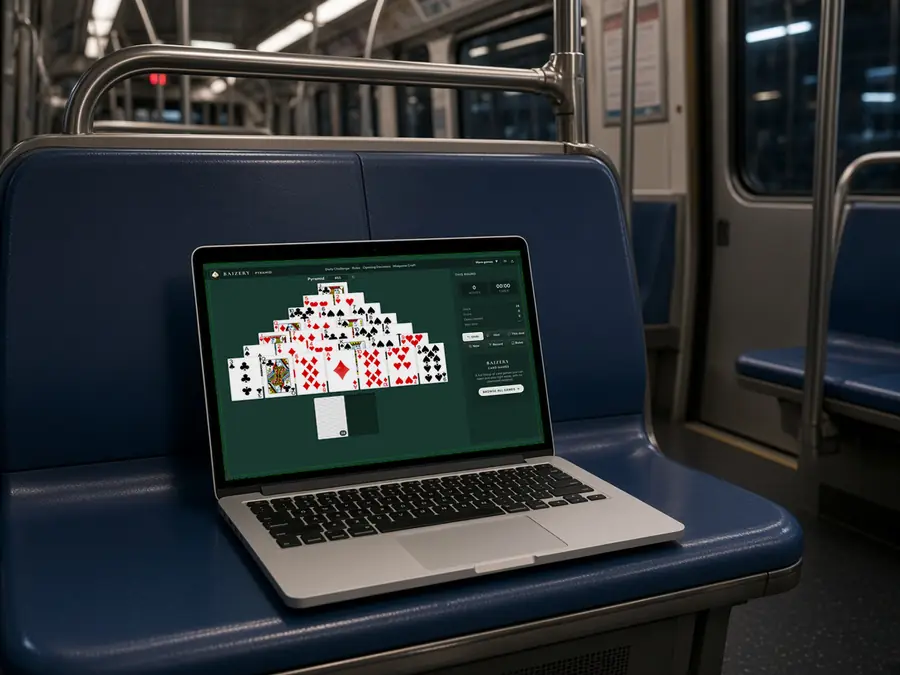
The waste is the countdown clock
Each pass reorders what you can touch next. Midgame skill is knowing whether the waste top still matters and whether another pass solves anything real.
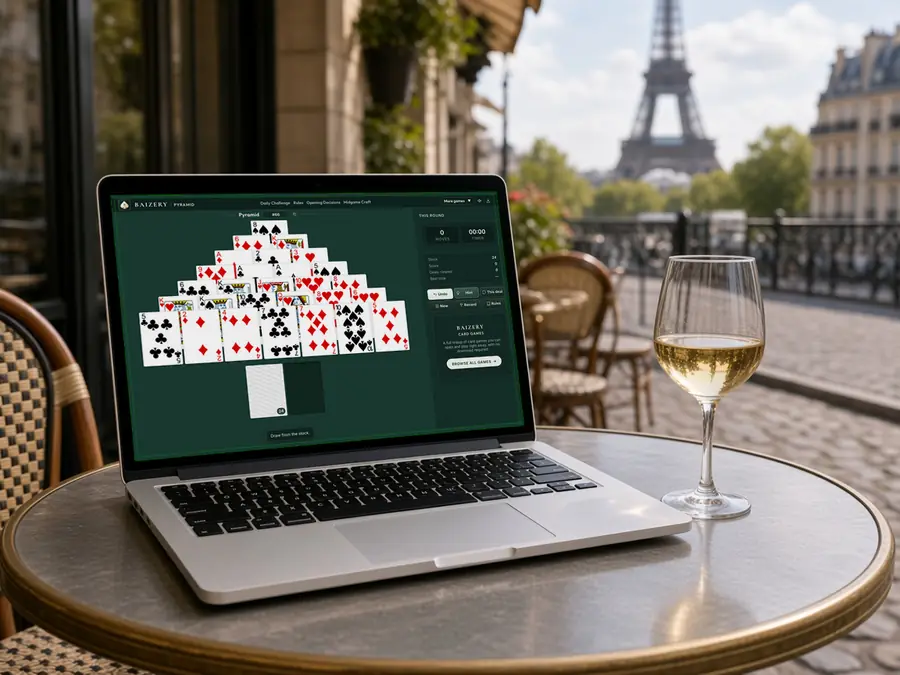
A closed lower row is the real danger
Midgame boards often look active because the surface still has easy pairs. If the lower rows are not opening, the deal may already be getting thinner.
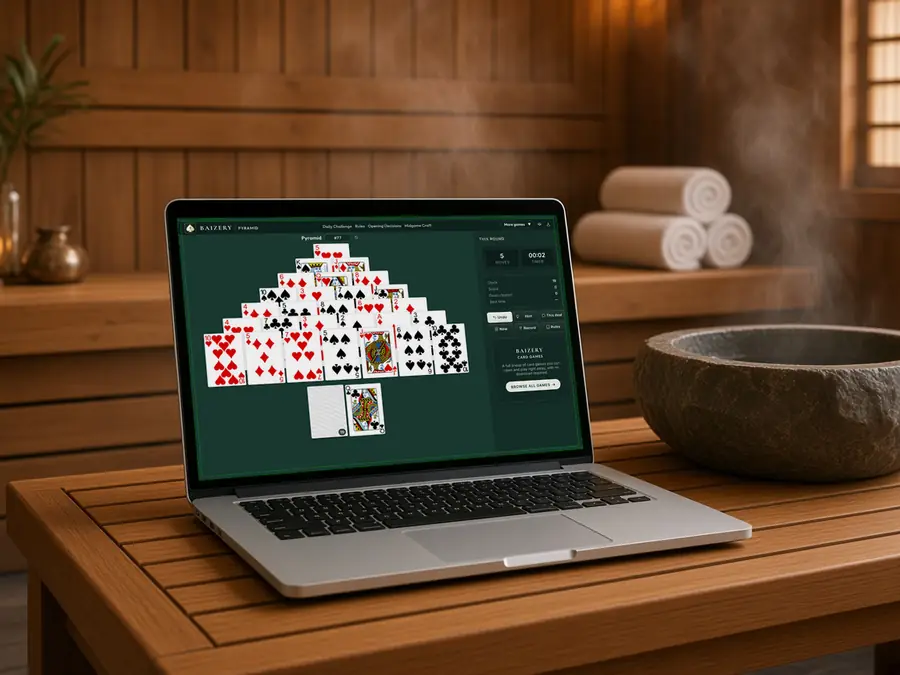
Kings are not free points
A King looks like a free clear, but its real value is the card it reveals and the next pair it creates. Clear it blindly and the whole read can get worse.
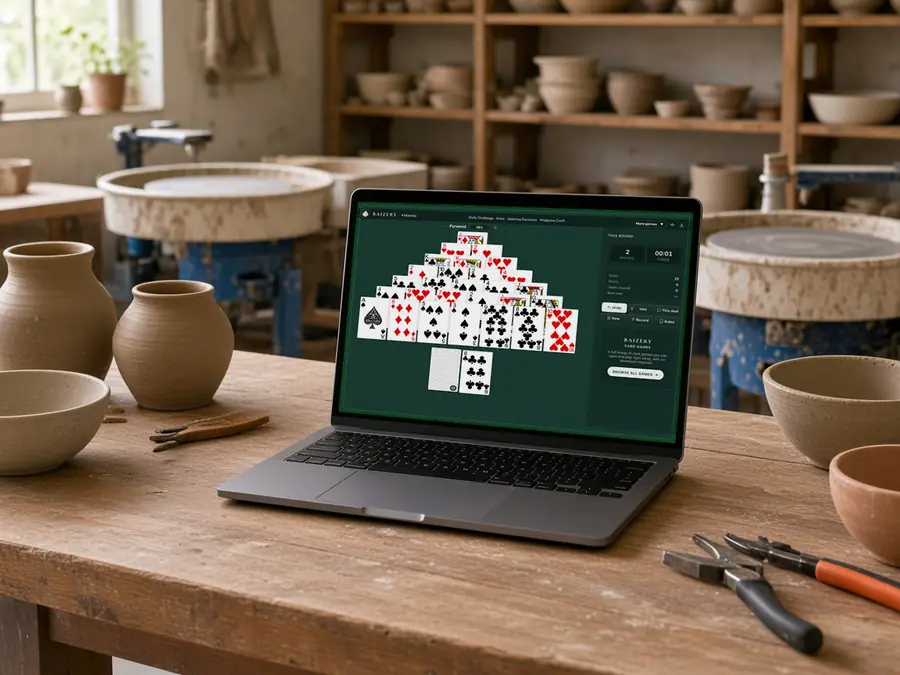
Count the valuable pairs before pass three
Before the late passes, count the key pairs that still matter, the waste tops that can still help, and the row that is one reveal away. If you cannot count them, drawing deeper is usually panic.
Six checks under pressure
Waste Top Still LiveBefore another pass, can the waste top still finish a key pair?
Lower Rows Still OpeningIs there a better move that opens the next covered card instead of just clearing the surface?
Do Not Clear the King BlindIf this King goes now, what valuable card appears?
This Pass Has a PriceIf you draw deeper here, what real route are you buying?
Late Passes Are ExpensiveAre you already at the point where another blind pass just closes the hand?
Undo Still Saves ItIf this read is wrong, can you still reverse before the key card disappears deeper into the waste?
Midgame FAQ
Why can a hand die while there are still plenty of cards left?
Because the waste may have buried the key pair, the lower rows may still be closed, or the late stock passes may already have been burned. The loss often happens before the board looks dead.
How do I tell that I cleared a pair too early?
If the pair did not open the lower row, did not save a stock pass, and spent a valuable waste top, it was probably early.
Why are late passes so dangerous?
Because there are fewer chances left to fix the order. An early blind pass is wasteful. A late blind pass often shuts the whole deal.
When should I leave a King alone?
When it is still covering a valuable card or when removing it does not improve the next read. Kings have timing too.
Can Hint replace midgame judgment?
No. Hint can suggest a local move, but it does not replace waste-order discipline, recycle timing, or deciding which lower row matters most.
What is the fastest way to recover a tight hand?
Undo back to the shallow waste spend, the blind pass, or the mistimed King clear, then restart from the point where the hand still had real information.
Bring it back to the game
One habit under pressure
Before each stock pass, say why you are doing it: to open a lower row, to reach a key pair, or because the waste top is dead. If you cannot say why, do not click yet.
Related reads
If recycle timing or King timing still feels vague, revisit the rules, then go back home and practice one midgame idea at a time. A lot of hard deals loosen up once the order stops leaking away.